While business travel was down by 90% at the height of the pandemic, some companies saw business travel activity return to about 80% of pre-pandemic levels when restrictions eased over the summer (McKinsey)
Zoom
At its peak, the firm counted more than 300 million daily participants in virtual meetings, while paying customers have more than tripled. Zoom said it expects sales as high as $1.8bn (£1.4bn) this year – roughly double what it forecast in March.
On a leisurely Sunday, while sipping my Lemongrass tea and thinking about what the post-pandemic world would look like? Will things be as normal as pre-COVID times?
Well, maybe…
Kids will start going to school, and we will go on family vacations, spending time together. But how about the workplace? Especially business travel? Will that also be the same? I doubt it.

The pandemic has taught us that we can collaborate while working from home, and it will remain a popular choice for many workers and their companies in the post-COVID world. If you don’t need to go to the office to work, why do you need to travel?
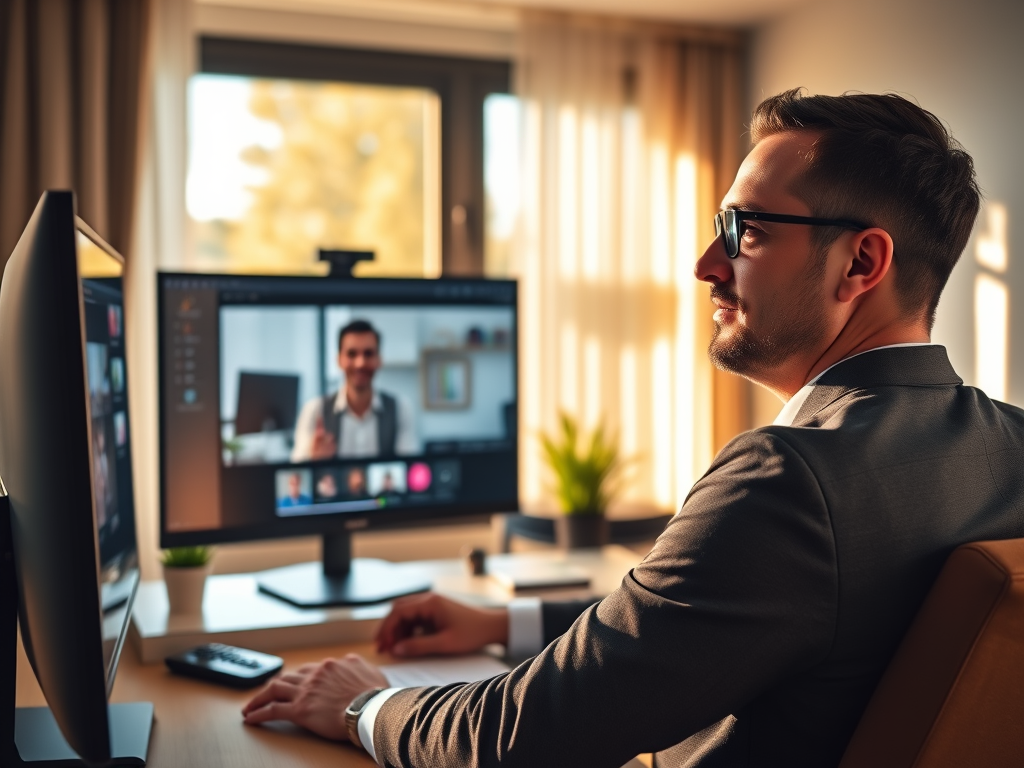
As we have seen during the last year or so, technology has played a major role. With tools like Zoom, Mural, MS Teams, and Slack at our disposal, we can conduct virtual meetings anytime from anywhere. These tools are mostly adequate (if not great!) substitutes for in-person meetings. If you can meet virtually, why do you need to travel?
Imagine the response (post-COVID) to the default question while requesting approval for a business trip: “Why can’t you do these meetings virtually?” Many (or most) business trips will not clear this final hurdle, not after a year or two of doing business extensively via Teams and Zoom and seeing that this model works well enough for different types of meetings.
The inevitable conclusion is that most corporate travel budgets will shrink. In the future, I can see low-value trips getting denied and far fewer infrequent travellers needing to travel. Approvers will request better justification, and travel requests will be evaluated through a risk-versus-reward and in-person-versus-virtual lens.
We are entering a new paradigm grounded by questioning the need for travel. It’s now much less about getting people to meetings and more about the value of the meeting itself.
However, face-to-face still offers richer non-verbal cues and can be beneficial for initial trust. Ultimately, a hybrid approach leveraging both virtual and in-person interactions is likely the most effective strategy.
More than 50% of business travel will disappear in post-coronavirus world – Bill Gates
We have to embrace this pivot.
Leave a Reply