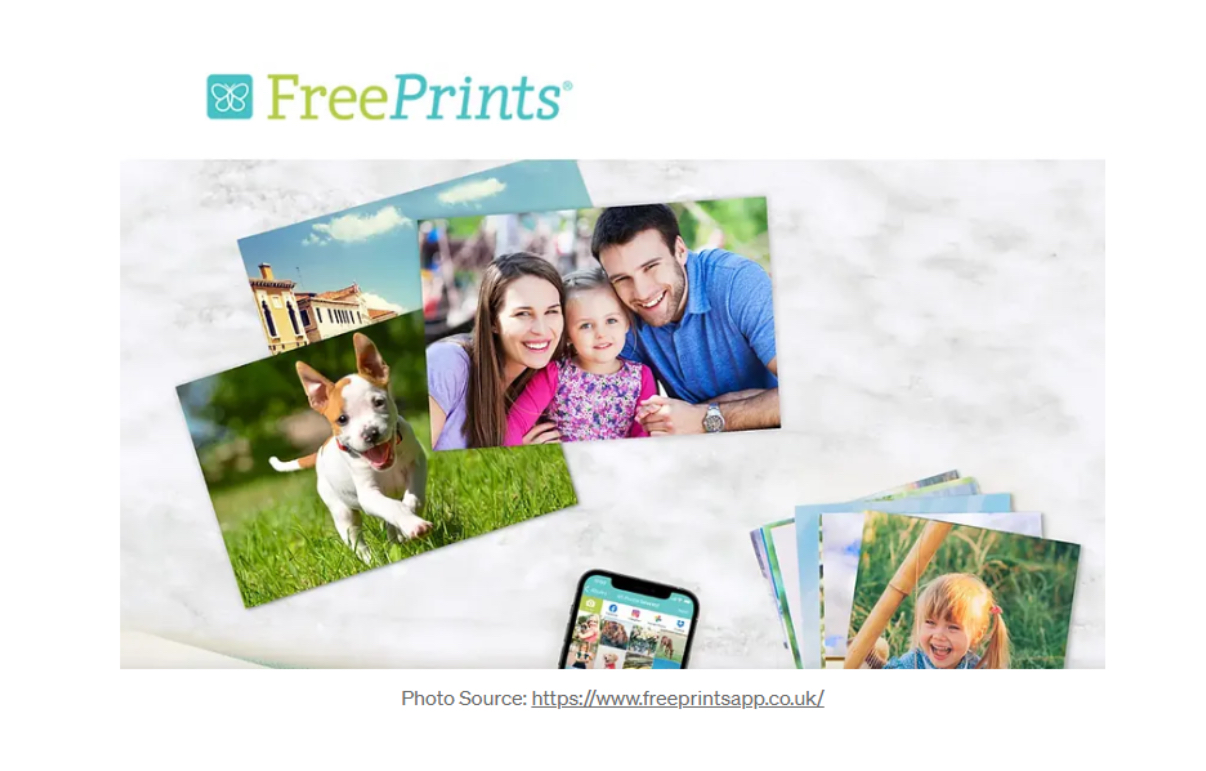
FreePrints: Product Tear Down
FreePrints is a popular app that delivers free photo prints while combining convenience with quality and value for its users. This independent review of FreePrints is presented to the Product Management community.
Business Model
FreePrints uses a freemium business model that provides users with 45 free 4×6 prints each month without any charge for these prints. The company generates revenue from various paid add-ons, including larger print sizes, faster shipping options and exclusive photo book designs.
FreePrints offers free prints to attract users and sells premium services once they enter its app. This approach maintains low costs for acquiring new users and enhances their lifetime value.
FreePrints has developed a comprehensive range of products that support its primary service. Their product expansion now includes calendars, canvases, cards, and photo books, which give customers additional options to keep their memories alive. Their revenue depends primarily on sales from their add-on products.
Pricing
The transparent pricing model provides most of its value through free monthly prints. Customers receive up to 45 free 4×6 prints, while shipping costs range from £1.99 to £3.99, depending on delivery location and speed. I recently paid £1.99 for a standard delivery.

Premium photo services, including larger prints and photo books, feature straightforward pricing that remains competitive and affordable compared to traditional printing alternatives. The pricing structure is a major benefit because it attracts users who keep expenses low while maintaining high-quality standards.
Quality
FreePrints produces products of impressive quality, which stands out even more when you consider its pricing model. The photo prints show sharpness and vibrant colours and maintain high-quality standards, which matter significantly in the photo printing business because customers expect their treasured memories to be showcased in top quality.
Users can order prints through a user-friendly application that allows convenient photo uploads from multiple sources, including local mobile phones, social media platforms and cloud storage services.
Users have reported occasional inconsistencies in print quality, such as colour mismatches or slight pixelation, which points to possible enhancements needed in the print quality control process.
FreePrints provides reprint options for all problem prints, which demonstrates its excellent customer service and is a valuable feature that reduces these intermittent issues.
Market Share and Competition
The competitive market where FreePrints functions includes major players like Snapfish and Shutterfly, along with numerous local printing stores. FreePrints maintains a successful business model in this market mainly due to its freemium approach and established brand presence.
The app maintains strong market positions in the US and UK while reaching international markets through region-specific applications.
FreePrints has captured a substantial market share through its innovative subscription-based free printing model despite its lower brand recognition than major competitors like Shutterfly.
The company stands out in its sector because its freemium model successfully attracts and maintains user engagement when customer loyalty rates remain low. Lowering costs for the customer also helps in referrals and hence reduces the acquisition and activation costs.
Positive app reviews and word-of-mouth recommendations are powerful tools for acquiring new users. FreePrints has taken advantage of customer referrals by offering extra free prints as rewards for successful recommendations.
Distribution Channels
FreePrints utilizes its distribution channels as a fundamental component of its strategy to connect with large audiences through effortless access. The main distribution channel for FreePrints is its mobile app, which customers can download on iOS and Android platforms.
The app is the central platform where users manage their requests and purchase extra products, including photo books and calendars. Its easy-to-use interface and smooth integration into social media (Facebook, Instagram, Google Photos) and cloud storage services (Google Drive, iCloud, Dropbox) enable customers to effortlessly upload photos and purchase prints straight from their mobile devices.

FreePrints operates a website to serve customers who prefer ordering prints using their desktop or laptop as an additional service channel.
FreePrints has pursued growth opportunities through retail collaborations and temporary physical spaces in targeted markets. Physical touchpoints enable users to engage with the brand face-to-face, which helps develop trust and brand recognition.
Future Strategy
FreePrints plans to focus on expanding its market reach and broadening its product selection in the future. As a non-dominant force in international markets (Asia), FreePrints can experience substantial expansion.
FreePrints can expand its market reach by offering personalized and niche printing solutions, such as professional photo albums and premium art prints, to gain a larger share of the high-end market while continuing to serve budget-conscious customers.
Enhanced AI and machine learning features for photo editing and layout suggestions would lead to better user experiences by assisting customers in designing and printing photos more efficiently. FreePrints should explore new product categories like personalized home decor to use its current user base better.
Conclusion
FreePrints stands out as a strong competitor in the photo-printing market by offering high-quality products through its freemium business model. Despite competing with bigger companies, FreePrints stands out to cost-conscious users because of its distinctive free print service combined with clear pricing strategies.
FreePrints can establish itself as an industry leader by concentrating on product diversification and quality control improvements while expanding into international markets.
Product managers study this product to learn how a business can revolutionize a conventional market by using a freemium approach and upselling tactics while maintaining its primary customer base.
Leave a Reply